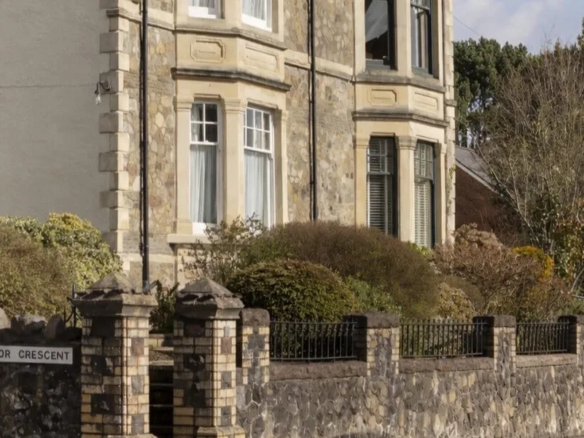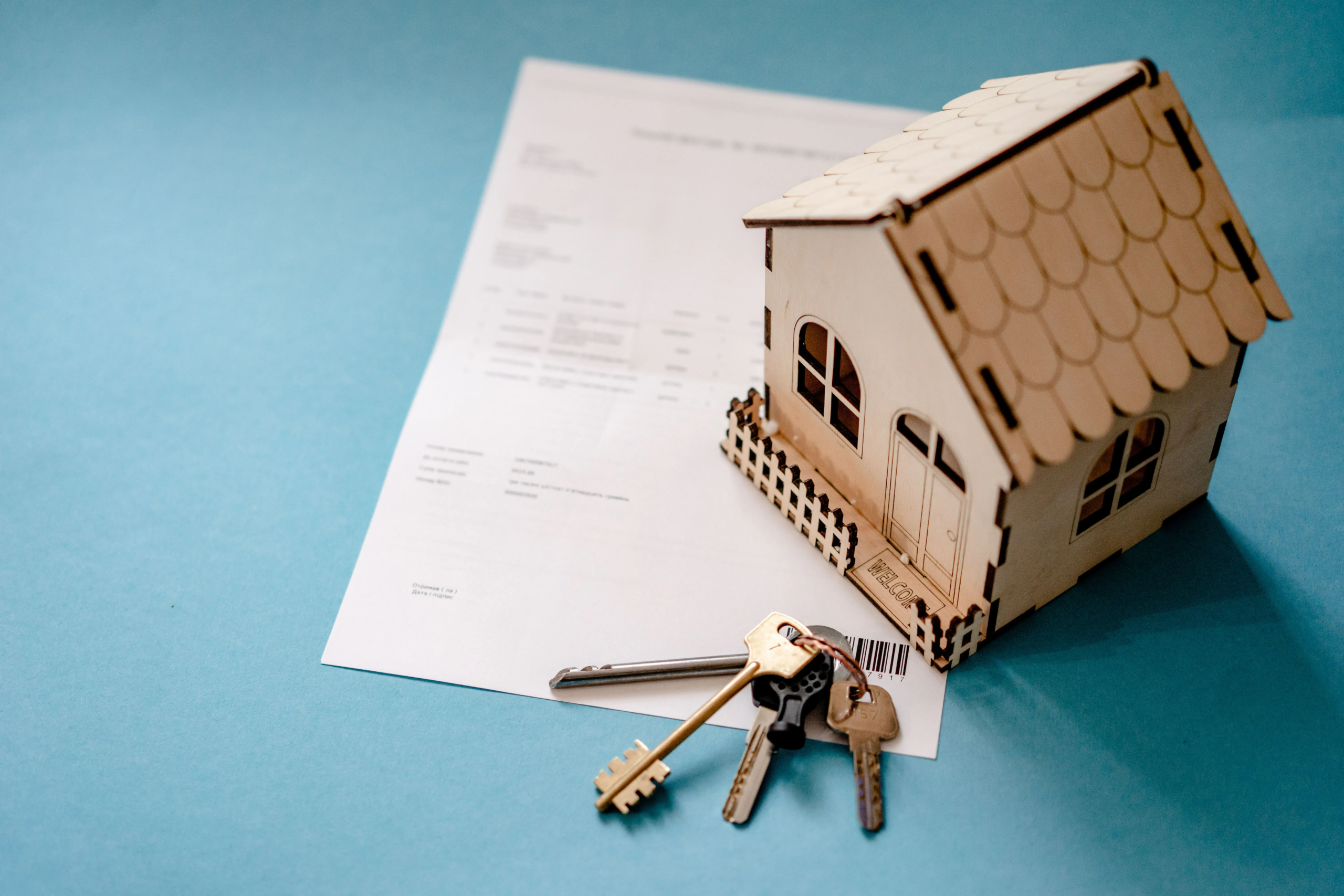
A house sale rarely happens in one clean movement. It moves through a series of stages, from preparing the property and setting the price to finding the right buyer, progressing the legal work and handing over the keys.
So, how long does it take to sell a house? As a realistic guide, many sellers should allow around five to six months from going on the market to completion. Some homes move more quickly. Others take longer, especially where there is a chain, a mortgage delay, a survey query or a pricing issue.
The timeline becomes easier to manage when you know where delays usually appear. A carefully presented, fairly priced and properly organised home may be easier for buyers to assess from the first viewing.
At Elliot & Hill, we place strong emphasis on careful presentation, considered marketing and homes with character. Selling should feel clear and purposeful, not rushed for the sake of it.
The average time it takes to sell a house
A typical sale has two main parts. First, there is the marketing stage, where your home is prepared, launched, viewed and offered on. Then comes the legal and financial stage between offer acceptance and completion.
The GOV.UK guide to selling a home states that selling a home takes about five months on average and can take longer if you are part of a chain. That makes five to six months a sensible planning window for many sellers, while still allowing for the fact that every property and buyer is different.
| Stage of sale | Typical timescale | What happens |
| Preparing for the market | 1 to 3 weeks | Valuation, photography, floorplan, EPC and marketing preparation |
| Listing to offer | 5 to 14 weeks | Enquiries, viewings, feedback, negotiation and offer acceptance |
| Offer to exchange | 10 to 16 weeks | Conveyancing, searches, mortgage work, survey and enquiries |
| Exchange to completion | 1 to 4 weeks | Final legal checks, removals planning and completion funds |
| Full process | Around 5 to 6 months | From first listing to handing over the keys |
These figures are broad planning ranges, not guarantees. Selling timescales vary depending on the property, buyer, chain, lender, solicitor, survey findings and wider market conditions. For legal, financial or tax decisions, speak to the relevant qualified professional.
What affects how long it takes to sell your house?
No two sales are quite the same. Even similar homes can move at different speeds depending on price, condition, buyer demand, timing and how well the property is presented.
The asking price
Price can have a major influence on buyer interest and viewing activity. A home can be full of character and beautifully photographed, but if the asking price sits too far above buyer expectations, interest may soften.
This does not mean under-pricing your home. It means setting a considered price that reflects the property, its condition, recent comparable sales and current demand.
A price that is too ambitious can lead to quiet weeks, followed by reductions. By then, some buyers may wonder whether something is wrong with the property, when the issue may simply be the launch price.
If you are unsure where your home should sit, our property valuation advice can help you understand a sensible starting point before you go to market.
Presentation and photography
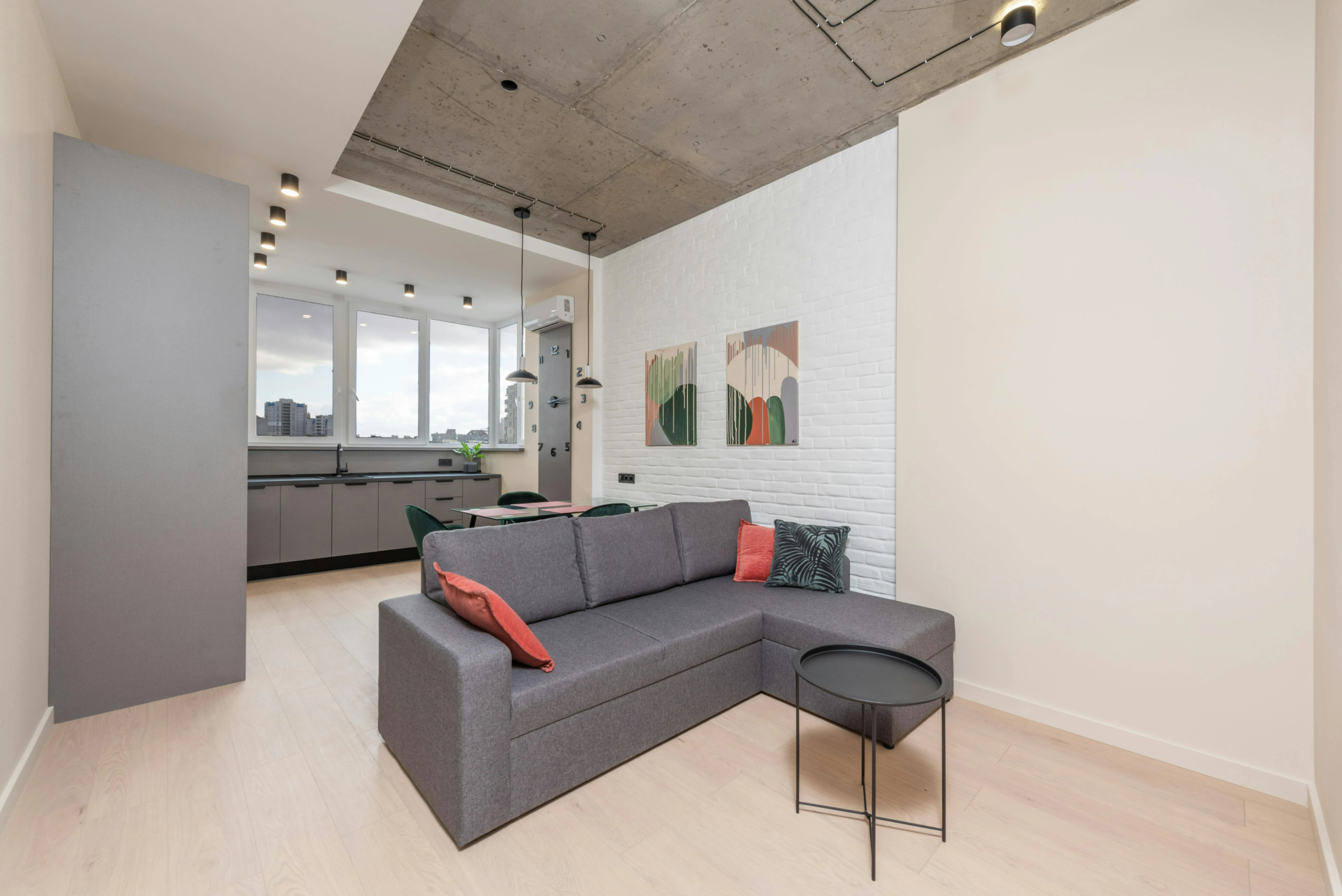
Buyers often form their first impression before they step through the door. Photography, floor plans, and written descriptions all shape how they read the home.
A good presentation is not about making a property look staged beyond recognition. It is about making the space easy to understand. Light, proportion, layout and detail all matter.
Before photography, it is worth checking:
- Whether each room has a clear purpose
- Whether surfaces feel calm and uncluttered
- Whether natural light is being used well
- Whether small maintenance issues need attention
- Whether the exterior gives the right first impression
The property does not need to look perfect, but buyers should be able to understand the space quickly.
Property condition
A well-maintained home can reassure buyers. Small defects can have an outsized effect. Loose handles, tired paintwork, marked walls or an untidy garden may not be major faults, but they can quietly shape a buyer’s view.
More significant issues may emerge during a survey. The Royal Institution of Chartered Surveyors guide to home surveys explains that a survey gives buyers an expert account of a property’s condition and highlights issues clearly.
Where appropriate, known issues can be addressed before launch or explained clearly when questions arise. That does not mean turning the house upside down before selling. It means reducing the chance of small surprises becoming larger delays later.
Buyer position
The buyer’s position can change the timeline considerably. A cash buyer with no related sale may move faster. A buyer with a mortgage, a property to sell or a long chain may take longer.
A buyer’s position, including funding, chain status and timescale, should be considered alongside the offer amount. The highest offer is not automatically the simplest route to completion.
Useful questions include:
- Is the buyer’s funding clear?
- Is there a chain?
- Has their own property been sold, if relevant?
- Are they flexible on timescales?
- Are there any conditions attached to the offer?
This is where careful qualification matters. A sale is not only about agreeing on a number, but also understanding how likely that buyer is to reach completion.
The main stages of selling a house and how long they usually take
Understanding the main stages helps you see where delays can happen and where good preparation can save time.
Preparing your house for sale
This can take a few days or a few weeks, depending on how ready the property is.
At this stage, you will usually arrange a valuation, choose your estate agent, prepare the marketing, organise photography, confirm the floorplan and make sure the Energy Performance Certificate is in place.
Government guidance on Energy Performance Certificates when selling a home states that an EPC must be ordered before a property is marketed for sale, unless an exemption applies.
It is also wise to gather paperwork early. In practice, delays often come from small points that were avoidable at the beginning, such as missing certificates, unanswered solicitor enquiries or uncertainty around previous works.
Helpful documents may include:
- Guarantees or warranties for work carried out
- Building regulation certificates
- Planning consent documents
- Boiler service records
- Electrical certificates for relevant works
- Leasehold or management information, if applicable
Good paperwork can reduce avoidable delays later. Not glamorous, granted, but very useful.
Going on the market and arranging viewings
Once your property is listed, the first few weeks matter. This is when fresh interest tends to be strongest.
If the price, presentation and marketing are well aligned, you should start seeing meaningful enquiries. If viewings are limited or feedback is lukewarm, it is better to respond early than wait too long.
This may mean refining the description, reviewing the price, improving the viewing setup or changing the order of photographs. A good agent should read the feedback, not simply wait for the next viewing.
Receiving and accepting an offer
Once an offer comes in, it should be assessed carefully. You will want to understand the buyer’s financial position, whether they need a mortgage, whether they have a property to sell and how quickly they hope to move.
Once an offer is accepted, the property is usually marked as sold subject to contract. From there, the legal process begins.
At this point, communication matters. Sellers, buyers, agents, solicitors and lenders all need to keep moving in the same direction. When one part slows down, the rest can feel it.
Conveyancing, searches and survey

This stage often takes the longest. Both sides appoint solicitors or conveyancers, draft contracts are issued, searches are ordered, and enquiries are raised.
The buyer may also arrange a mortgage valuation and an independent survey. If the survey raises concerns, there may be further negotiation or requests for reports. If you want to understand how a survey fits into the wider property process, our page on home surveys gives more detail.
Common causes of delay include:
- Slow responses to legal enquiries
- Missing documents
- Mortgage offer delays
- Search delays
- Survey findings
- Chain-related hold-ups
- Leasehold management packs are taking time to arrive
Prompt replies, clear paperwork and steady communication can help reduce avoidable delays, although some timings will still depend on lenders, solicitors, searches and linked transactions.
Exchange and completion
Exchange is the point where the sale becomes legally binding. A completion date is agreed, deposits are transferred, and both sides prepare for the move.
Completion may happen shortly after exchange, or there may be a gap of a few weeks. Once completion happens, the money is transferred, the keys are released, and the sale is complete.
How can you sell a house faster without rushing the wrong parts?
There is a difference between a quick sale and a careless one. The aim is to reduce avoidable delays while still protecting your position.
Many avoidable delays come back to preparation, pricing, paperwork and communication. Before going live, it can help to:
- Review pricing carefully with market evidence
- Prepare the home before photography
- Make the floor plan easy to understand
- Gather paperwork early
- Appoint a solicitor before an offer is accepted
- Respond quickly to questions where possible
- Review feedback after the first few weeks
Launching before key details are ready can create questions later in the process. Taking care before going live can make the sale feel more composed.
Why do some houses take longer to sell
If a house takes longer to sell, it does not always mean there is something wrong with it. Some homes naturally need a more specific buyer.
Larger homes, unusual layouts, renovation projects, leasehold properties and character homes can take longer because their value often sits in the details, not just the room count.
If a property has been on the market for several weeks with little interest, it is worth reviewing the essentials:
| Issue | What it may suggest | What to review |
| Few online enquiries | The listing may not be attracting enough attention | Price, main image, headline and description |
| Viewings but no offers | Buyers may like the idea, but not enough to act | Presentation, condition, layout concerns or price |
| Low offers only | Buyers may see value differently | Comparable sales and market feedback |
| Sale agreed, then delayed | The issue may be process-related | Solicitors, chain, survey or mortgage progress |
The key takeaway is this: time on the market should be read carefully, not emotionally. Early feedback can help guide practical changes to price, presentation or marketing.
Selling your house with a clearer timescale in mind
So, how long does it take to sell a house? In many cases, around five to six months is a sensible expectation from first listing to completion. A quicker sale is possible, but it depends on preparation, demand, pricing, buyer position and how smoothly the legal work progresses.
The best results rarely come from treating a home as just another listing. They come from understanding what makes it appealing, presenting it with care and managing each stage with patience and precision.
At Elliot & Hill, our approach is grounded in thoughtful presentation and considered marketing. If you are preparing for your next move, our Sell With Us service explains how we present and market homes with care, from early advice through to launch.
A well-managed sale should make the property easier to understand and the process easier to follow.