

Preparing a property for sale can turn a few sensible jobs into a renovation list. Once you begin looking at the home through a buyer’s eyes, every marked wall, dated cupboard and worn floorboard may suddenly feel urgent.
The problem is that a repair bill and a better sale are not the same thing. Some work improves presentation or addresses a genuine defect. Other projects cost time and money without necessarily changing how suitable buyers view the property.
A sensible preparation plan separates essential maintenance from design choices the next owner may undo. Understanding what not to fix when selling a house helps you prioritise condition, presentation and paperwork without trying to make every room look new.
Sort Each Job Into One of Three Categories
Before booking trades or buying materials, decide whether each job should be left alone, improved selectively or investigated properly.
| Category | Typical examples | Sensible response |
| Leave alone | Dated but working fittings, minor wear and personal design choices | Clean and present clearly |
| Improve selectively | Scuffed entrance walls, loose handles and overgrown planting | Make small changes where they improve presentation |
| Investigate or repair | Active leaks, apparent safety concerns and failed services | Establish the cause and seek suitable professional advice |
Without that distinction, optional decorating can quickly be mistaken for essential work.
A Functional Kitchen or Bathroom May Not Need Replacing
A dated kitchen or bathroom is not automatically a defective one.
Replacing either room shortly before a sale can require a considerable budget, several trades and weeks of disruption. It also assumes that your preferred layout, colours and fittings will suit the eventual buyer.
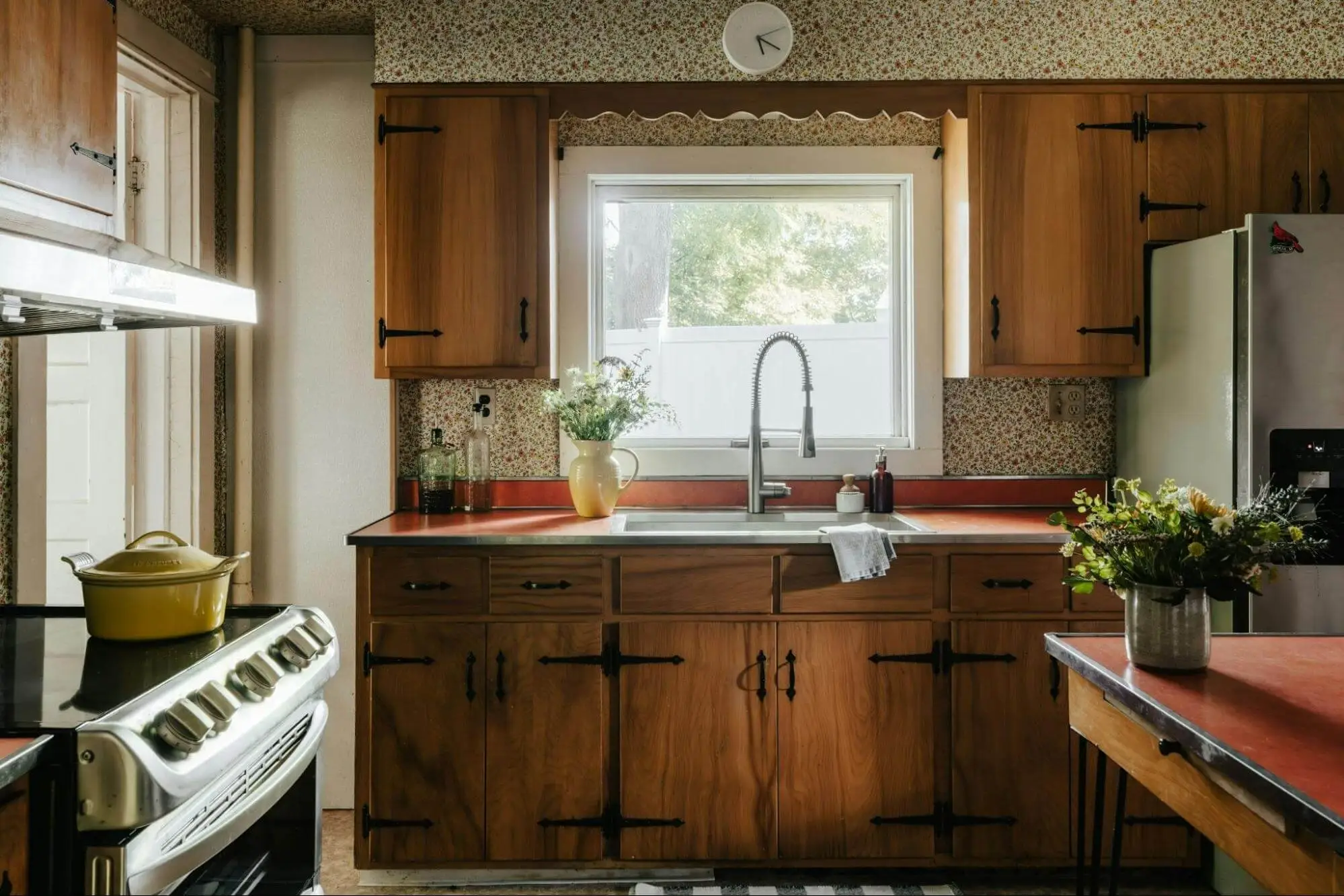
Where the room remains usable, and there are no known active defects, a lighter approach may be more proportionate:
- clean surfaces, grout and sanitaryware thoroughly
- clear unnecessary items from worktops
- repair broken hinges, handles and catches
- replace failed sealant where appropriate
- arrange attention for dripping taps or faulty lighting
An older cabinet finish may influence a buyer’s plans, but that does not necessarily mean you should fund their future redesign.
A rushed refurbishment can also leave awkward compromises. New cupboard doors fitted around an ageing layout or inexpensive sanitaryware installed shortly before marketing may look more like a temporary update than a considered improvement.
Do Not Repaint Every Room by Default
Fresh decoration can improve photographs and brighten tired spaces, but every wall may not need attention.
Minor marks behind furniture, isolated chips and ordinary signs of use rarely justify redecorating an entire property. Poorly matched touch-ups can be more distracting than the original blemish, while hurried paintwork around switches, frames and flooring may make a room appear less carefully maintained.
Focus first on:
- the front door and entrance
- the hallway and principal living space
- walls with heavy scuffing or unfinished repairs
- very dark or strongly personalised rooms
- areas that will be prominent in marketing photographs
The aim is coherence, not the appearance of a house that has never been lived in.
Where decoration is consistent, and in reasonable condition, thorough cleaning, better lighting and reduced clutter may achieve more than another coat of paint.
Preserve Original Features Where They Remain Serviceable
Period details often show their age. That alone is not a reason to remove them.
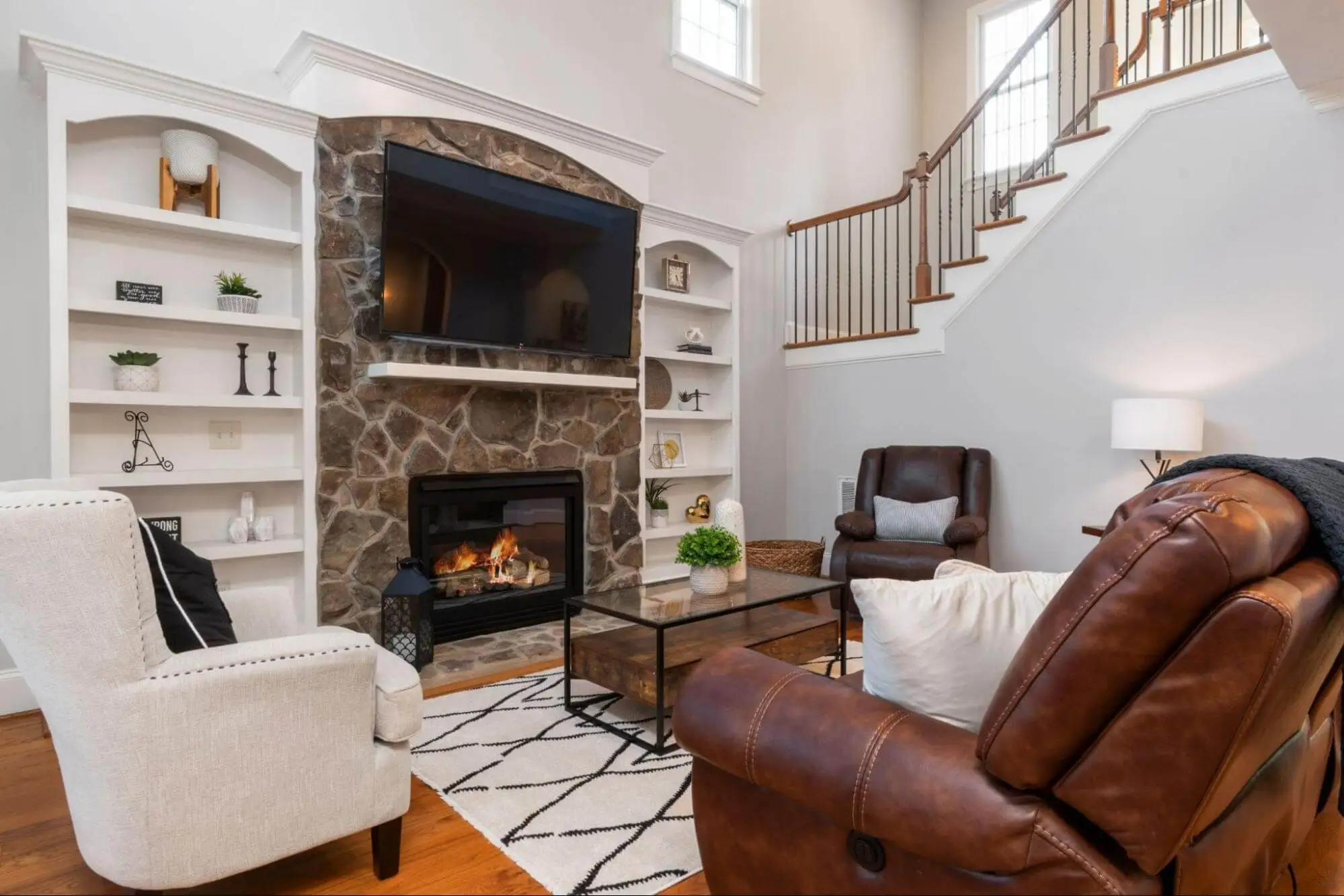
Original doors, fireplaces, floorboards, mouldings, sash windows and built-in joinery can form an important part of a home’s identity. Standard modern replacements may erase the details that distinguish the property from others on the market. Repair may still be required where there is decay, instability or water ingress. The distinction is between addressing a defect and removing evidence of age.
This is particularly relevant when preparing period and character homes, where materials, proportions and craftsmanship contribute to how the property is understood and presented.
Where an original feature is imperfect but serviceable, cleaning and careful maintenance may be more appropriate than replacement. Seek specialist advice where its condition is uncertain.
Avoid Replacing Serviceable Flooring for Style Alone
Flooring covers a large visual area, so it is easy to assume that it must look new. Replacement can be expensive, disruptive and highly subjective.
Begin with suitable cleaning. Secure loose edges, address isolated hazards and remove obvious staining where possible. Light wear may be consistent with the age and use of the home.
Replacement becomes more relevant where flooring is unsafe, severely damaged, or so visually dominant that it undermines the rest of the presentation. Even then, compare the likely benefit with the cost and intended marketing date.
A buyer may prefer to choose their own finish after moving in rather than pay indirectly for flooring they plan to remove.
Think Carefully Before Changing the Layout
Removing walls, building an extension or redesigning the ground floor is rarely a straightforward pre-sale task.
Large projects can introduce structural design, planning questions, building control requirements, additional paperwork and an uncertain completion date. They also depend on predicting what an unknown buyer will want.
An existing layout can still be explained through accurate floor plans, thoughtful photography and factual descriptions. Buyers can then assess its present arrangement and potential without the seller taking on major work shortly before moving.
The same caution applies to:
- bespoke fitted storage
- premium smart-home systems
- expensive appliances
- statement lighting
- highly personalised built-in furniture
These additions may suit a carefully designed home, but they should not be treated as guaranteed routes to a higher offer.
Tidy the Garden Without Redesigning It
A garden should appear usable and manageable. It does not need to be newly landscaped.
Cut back excessive growth, clear paths, remove waste and arrange repairs to obvious hazards. An unstable gate, loose paving slab or failing fence section may deserve attention.
A complete planting scheme, new patio or garden room is a different decision. Buyers use outside space in different ways. One may want a lawn, another may prefer low-maintenance planting, while someone else may already be considering an extension.
A tidy, clearly defined garden gives people room to imagine their own use without asking you to fund it first.
What Should Not Be Ignored?
Choosing not to modernise is different from overlooking an active or potentially serious problem.
Matters that may justify professional investigation or repair include:
- water ingress or plumbing leaks
- visible mould or persistent damp symptoms
- apparent electrical safety concerns
- loose roof materials or unstable external elements
- broken heating, hot-water or sanitation facilities
- significant or recurring cracking
- damaged glazing, stairs or balustrades
- drainage failures or signs of infestation
Do not diagnose the cause yourself or disguise the symptom with decoration. A suitably qualified contractor, surveyor or specialist may be needed to establish what is happening and recommend a proportionate response.
The RICS guidance on home surveys explains that survey levels differ in scope and that the appropriate service depends on factors such as the property’s age, condition and complexity. Home surveys are visual inspections within an agreed scope and may recommend further investigation.
Painting over staining or repeatedly filling a crack does not establish or resolve the underlying cause.
Do Not Conceal Known Problems
Choosing not to modernise is different from withholding or disguising information that may be relevant to a buyer.
The Law Society explains that buyers can rely on information supplied through the TA6 Property Information Form. Sellers should answer truthfully, completely and as accurately as they can from their own knowledge.
Cosmetic work should not be used to hide a known leak, recurring crack or other concern. Speak to your conveyancer if you are uncertain about how an issue, repair or alteration should be recorded.
Keep copies of:
- planning permissions
- building control documents
- guarantees and warranties
- invoices for significant repairs
- insurance claim information
- paperwork for structural alterations
Clear records can be more helpful to a buyer than another weekend spent decorating.
Paperwork May Matter More Than Another Project
A transaction can be delayed by missing information even when the property looks immaculate.
Before beginning further cosmetic work, gather documents relating to:
- extensions and structural changes
- planning permission and building control
- replacement windows or roofing
- electrical and heating work
- renewable-energy installations
- guarantees, warranties and insurance claims
- leasehold charges and management information, where applicable
Official guidance on preparing to sell a home recommends gathering relevant property documents before the transaction progresses.
Check whether the property has a valid Energy Performance Certificate. GOV.UK states that, where one is required, an EPC must be ordered before the home is marketed.
Organised records do not compensate for defects, but they can help the conveyancer and buyer understand the property more clearly from the outset.
Decide on Repairs Before Photography Is Booked
Preparation works best when it has a clear endpoint.
Walk through the property in the order a buyer is likely to experience it:
- Approach, frontage and entrance
- Hallway and principal reception spaces
- Kitchen and bathrooms
- Bedrooms and storage
- Garden, garage and outbuildings
At each stage, ask whether the issue is a defect, a distraction or simply a matter of taste.
A loose cupboard door is a small maintenance job. A dated cupboard door is a design choice. A leak beneath the cupboard requires investigation. Treating all three alike leads either to wasted spending or overlooked problems.
Preparation should also fit the intended launch date. Our guide to how long it takes to sell a house explains how preparation, marketing, viewings and conveyancing form part of the wider timeline.
Use This Five-Question Test Before Approving Work
For any job that is not clearly essential, ask:
- Does it address an active defect or apparent safety concern?
- Will it noticeably improve the photography or viewing experience?
- Is it maintenance, or am I choosing a design for the next owner?
- Can it be completed properly, with the necessary documents, before launch?
- Would accurate presentation and appropriate pricing be more proportionate?
If the answers remain unclear, pause before committing money or delaying the launch.
Your estate agent can advise on presentation and marketing. Technical, structural, electrical and legal questions should be directed to the relevant qualified professional.
Prepare the Home, Not a Show Home
Most properties need a short, prioritised job list rather than a renovation programme.
Clean thoroughly, reduce clutter, complete straightforward maintenance and retain the details that give the home character. Investigate genuine defects and organise the documents the buyer’s solicitor is likely to request.
Buyers need to understand the property’s present condition and decide which future changes suit them. They do not necessarily expect the seller to remove every sign of age or redesign every room.
Elliot & Hill’s selling approach includes guidance on preparing, presenting and marketing individual homes. Explore our Sell With Us service to learn more about how we approach the sale of properties where design, character and presentation matter.
This article provides general information only. It is not legal, financial, structural, electrical or other specialist advice, and no repair or preparation decision can guarantee a sale, a higher offer or a shorter transaction. The appropriate response depends on the individual property and circumstances. Sellers should obtain advice from their conveyancer and suitably qualified professionals before making significant decisions or acting on a suspected defect.