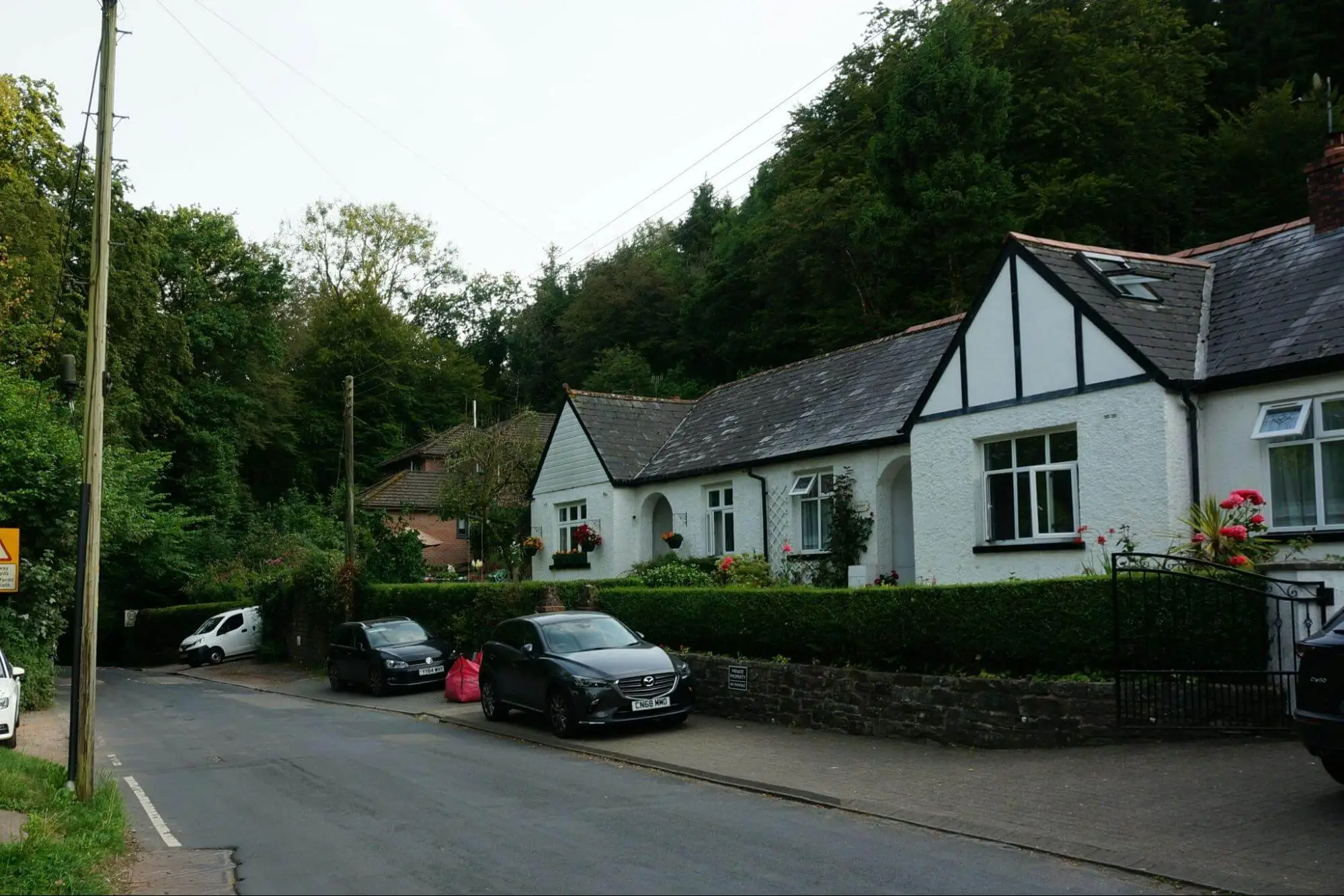
Once your offer has been accepted, choosing a home survey is one of the next practical decisions. For many buyers, that means comparing a Level 2 vs Level 3 survey and deciding how much detail the property warrants.
Level 3 is not automatically the right choice simply because it is more detailed. A Level 2 can be appropriate for a straightforward property in reasonable condition, while an older, altered, unusual or run-down building may justify the greater depth of a Level 3.
The property itself should determine the level of survey.
Start With the Building, Not the Survey Name
The Royal Institution of Chartered Surveyors (RICS) advises buyers to consider the age, type and condition of a property when choosing a survey. Its consumer guide to RICS home surveys describes Level 2 as suitable for a broad range of conventionally built properties, while Level 3 is intended for buildings where more detailed investigation and reporting are appropriate.
In practice, the distinction looks like this:
| Question | Level 2 may suit | Level 3 may suit |
| Construction | Conventional and readily understood | Unusual, mixed or non-standard |
| Condition | Appears generally reasonable | Poor, neglected or showing notable defects |
| Alterations | Limited or straightforward | Significantly extended, converted or altered |
| Age | Can suit some older conventional homes | Often more appropriate where age adds complexity |
| Planned works | No major alterations planned | Significant renovation or structural work planned |
| Reporting need | Clear condition overview | More detailed analysis of construction, defects and repairs |
These are indicators rather than rigid rules. Two properties of a similar age can warrant different survey levels because their construction, condition and alteration history differ.
What a Level 2 Survey Is Designed to Tell You
A Level 2 Home Survey is a mid-level inspection designed for properties suited to that level of reporting.
RICS describes Level 2 as appropriate for a broader range of conventionally built properties, subject to factors such as the building’s age, type and condition.
The surveyor visually inspects reasonably accessible parts of the property and reports on significant defects, risks and matters that may need further investigation. Condition ratings are used to indicate the relative importance of findings.
A Level 2 report can help you understand:
- significant defects identified during the inspection
- areas requiring repair or maintenance
- matters that warrant further investigation
- issues that may need to be referred to your conveyancer
- risks relevant to the property
It is not a guarantee that every defect will be found. Accessibility, finishes, furniture and concealed construction can limit any non-intrusive survey.
Our RICS Level 2 Home Survey service is intended for conventionally built properties that appear to be in reasonable condition, including many homes from different periods.
Where Level 3 Adds More Detail
A Level 3 Home Survey, often referred to as a Building Survey, is the most comprehensive of the RICS home survey levels.
Level 3 does more than add extra pages. It provides a more detailed visual inspection and more extensive reporting on the building’s construction, condition and defects.
Where defects are identified, the report can include more detailed consideration of probable causes, consequences and repair or management options.
The RICS Home Survey Standard provides the professional framework for these residential survey services.
A Level 3 is generally more appropriate where a building is:
- older or architecturally complex
- substantially altered or extended
- of non-standard or mixed construction
- visibly run-down
- affected by defects that warrant closer analysis
- being considered for major refurbishment
Even at Level 3, the inspection remains primarily visual. Surveyors do not normally open walls, lift fitted flooring or dismantle the building simply because a Level 3 survey has been commissioned.
For buyers considering a more complex property, our RICS Level 3 Building Survey service provides the more detailed level of inspection and reporting available under the RICS Home Survey Standard.
Five Property Clues That Should Shape the Choice
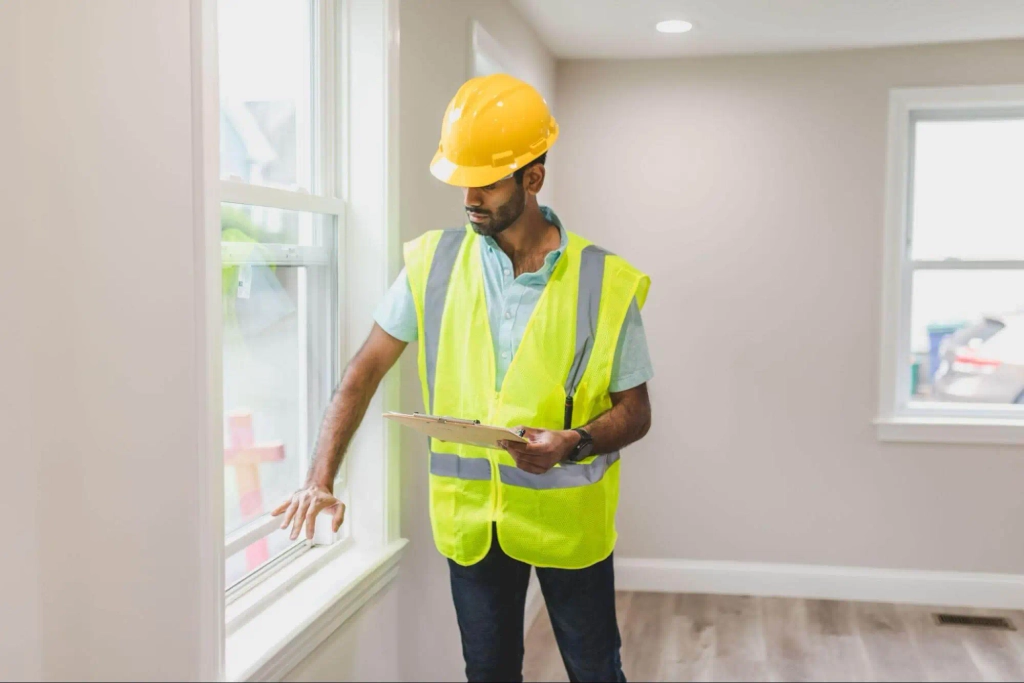
Rather than relying on age alone, consider how several characteristics interact.
1. How the Property Was Built
Conventional construction may be suitable for Level 2 where the property is otherwise appropriate for that service.
Unusual materials, non-standard construction or several distinct construction types can make Level 3 more useful because there is greater scope to explain how the building has been put together and how those elements are performing.
2. How Much the Property Has Changed
The presence of an extension alone does not determine the survey level.
Its scale, construction, age and integration with the original building are more relevant. Multiple extensions, conversions or significant alterations can create more to assess than a largely original property of similar age.
Questions about title, permissions or legal documentation relating to alterations should be raised with your conveyancer. A surveyor may flag matters for legal review, but a home survey does not replace conveyancing checks.
3. Its Apparent Condition
Appearance alone is not enough to establish the condition of a building.
Visible movement, persistent moisture staining, significant deterioration or complex alterations may indicate that a more detailed survey, or in some cases specialist investigation, should be considered.
You do not need to diagnose defects during a viewing. The important point is recognising when the building presents enough uncertainty to discuss the appropriate survey level with a qualified surveyor.
4. Its Age and Character
Older construction can differ significantly from modern construction, particularly where traditional materials and building methods remain.
That does not mean every Victorian or Edwardian property automatically requires Level 3.
Some older homes may still be suitable for Level 2, depending on their construction, condition, complexity and the surveyor’s professional judgement.
Where age is combined with extensive alterations, deterioration, unusual materials or more complicated construction, Level 3 may be more appropriate.
5. What You Plan to Do With It
Your plans for the property also matter.
If you intend to live in the home largely as it stands, a Level 2 survey may be proportionate where the property itself is suitable for that level of service.
If significant refurbishment or alteration is planned, the more detailed description of construction and defects offered by Level 3 may be more useful.
A home survey is not, however, a design survey, structural engineering assessment or specification for proposed building works. Separate professional advice may be required for those purposes.
Why Cardiff and Vale Buyers Should Look Beyond the Postcode
Cardiff and South Wales contain housing from many different periods, from Victorian and Edwardian properties through to post-war housing and modern developments.
That variety means the survey decision should remain property-specific.
A postcode cannot tell you how extensively a house has been altered, whether original materials remain, how later work has been integrated or what condition less accessible parts of the building may be in.
Our surveying work covers a range of homes across Cardiff and South Wales, including period properties and more modern housing. Local knowledge can provide useful context, but the survey findings must come from the individual property and the inspection itself.
Do Not Confuse a Mortgage Valuation With a Survey
If you are borrowing to buy, your lender may arrange a mortgage valuation. This does not mean the property has received a detailed survey on your behalf.
Government guidance on buying a home distinguishes a mortgage valuation from a survey commissioned by the buyer.
A home survey is intended to help you understand the condition of the building and the risks identified during the inspection. A lender’s valuation has a different purpose.
Relying on the mortgage valuation alone may therefore leave questions about the property’s condition unanswered.
What Should You Do With the Findings?
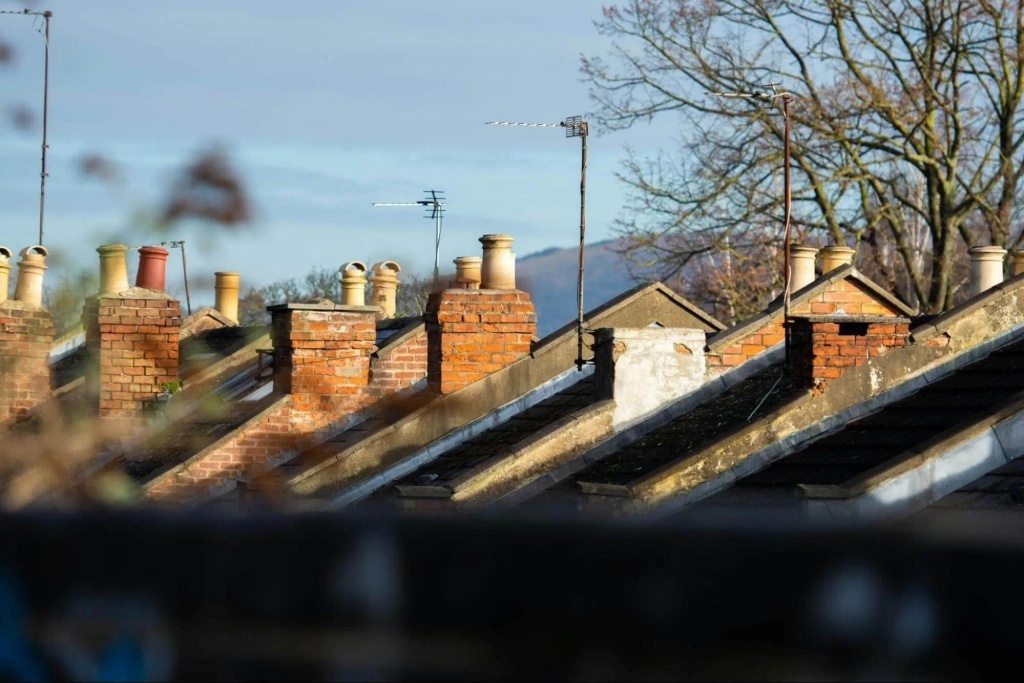
A survey provides information to help you make a decision. It does not tell you whether you must proceed with or withdraw from a purchase.
Depending on the findings and your circumstances, possible next steps may include:
- obtaining specialist investigations recommended by the surveyor
- requesting quotations for significant repairs
- referring relevant matters to your conveyancer
- reviewing your maintenance or renovation budget
- discussing material findings with the appropriate parties before deciding how to proceed
What matters is understanding what was found, how significant it may be and whether further investigation is recommended.
A report containing several defects does not automatically mean the property is unsuitable to buy. Equally, a relatively short list of findings cannot guarantee that future repairs will not arise.
If You Are Still Unsure Which Level Fits
At Elliot & Hill Surveyors, we provide RICS Level 2 Home Surveys and Level 3 Building Surveys across Cardiff and South Wales. The surveying practice is RICS-regulated, and the services are provided in line with the RICS Home Survey Standard.
If the appropriate level is not obvious from the property particulars, information such as the building’s age, construction, apparent condition and known alterations can be considered before booking.
That helps avoid treating Level 3 as an automatic upgrade when Level 2 may be proportionate, or selecting Level 2 where the building warrants more detailed investigation.
If you are buying locally, you can request a survey quote and provide details of the property so the appropriate survey level can be discussed.
So, Level 2 or Level 3?
For a conventional property in reasonable condition, Level 2 will often provide a proportionate level of inspection and reporting.
Level 3 is generally better suited where the building is more complex, such as an older, unusual, heavily altered or visibly run-down property, or one being purchased with substantial works in mind.
The key Level 2 vs Level 3 survey decision is not about choosing the most detailed report available. It is about matching the scope of the survey to the property you are buying.
If there is genuine uncertainty, discuss the building with a suitably qualified surveyor rather than relying on age, appearance or the survey name alone.
This guide provides general information only and is not property-specific surveying, structural engineering, legal or financial advice. The appropriate survey level and scope depend on the individual property, its construction, condition, accessibility, your requirements and the agreed terms of engagement. Further investigation or separate specialist, legal or financial advice may be required depending on the findings and your circumstances.


Join The Discussion