Estate Agents in Roath

Our estate agents in Roath sell Victorian and Edwardian homes with their character intact, priced by a chartered surveyor and photographed the way they deserve. 

Why People Move to Roath

PARKS, TERRACES AND A SHORT WALK TO EVERYTHING

Roath is one of the few parts of Cardiff where you can live in a hundred-year-old house and still walk to work in the city centre. That mix pulls in a wide set of buyers, from first-time owners on the smaller Plasnewydd streets to families after a five-bedroom villa near the lake.

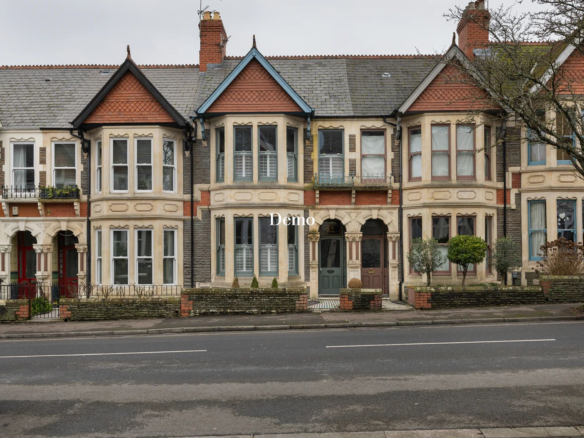
The housing stock changes a lot in a short distance. Two-bed bay-fronted terraces sit a few minutes from wide Edwardian houses with tiled paths, deep bays and original stained glass. Roath Park, Waterloo Gardens and the brook run through the middle of it all, so most streets are close to green space.

Wellfield Road and Albany Road handle the day-to-day side of things, with independent shops, cafés and a weekly food market. Most weigh this area against Cyncoed and Penylan before deciding, and the choice usually comes down to whether they want to walk into the city or drive. 
The Local Housing Market

WHAT BUYERS ARE ACTUALLY PAYING FOR

A house on a quiet residential street near the recreation ground and a similar house on a busier through-road can be worth noticeably different sums, even with the same floor area. Anyone valuing here needs to know which side of that line a property sits on.

Buyers also read the layout carefully. A rear extension that keeps the original reception room intact tends to sell better than one that swallows the whole ground floor. Loft conversions with proper head height, off-street parking and a south-facing garden all move the number, and a poor conversion can move it the other way.

Our estate agents in Roath set asking prices from comparable sold data and the condition of the house itself, then explain how we reached the figure. If a price is too ambitious, we will say so at the valuation, not eight weeks into a stale listing.

Valued by a Chartered Surveyor

Our estate agents in Roath carry out RICS home surveys across Cardiff. That matters in an area built largely between 1890 and 1915. We know what a buyer’s surveyor will look for in a terrace, from damp in a solid brick wall to a cellar with poor ventilation or a flat roof at the back that has reached the end of its life. Sellers can deal with those points before the property goes live, which keeps sales together at the stage where they most often fall apart.

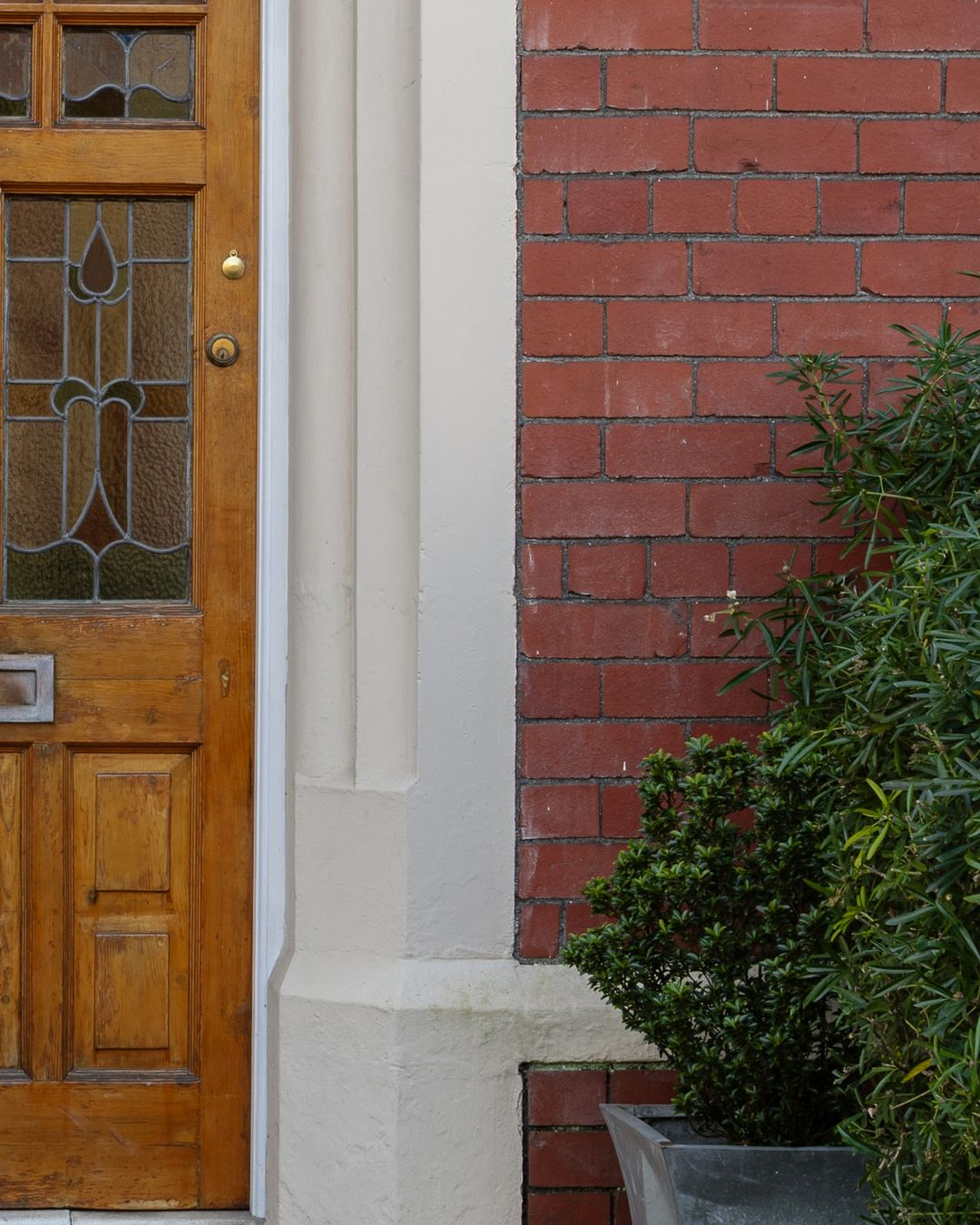
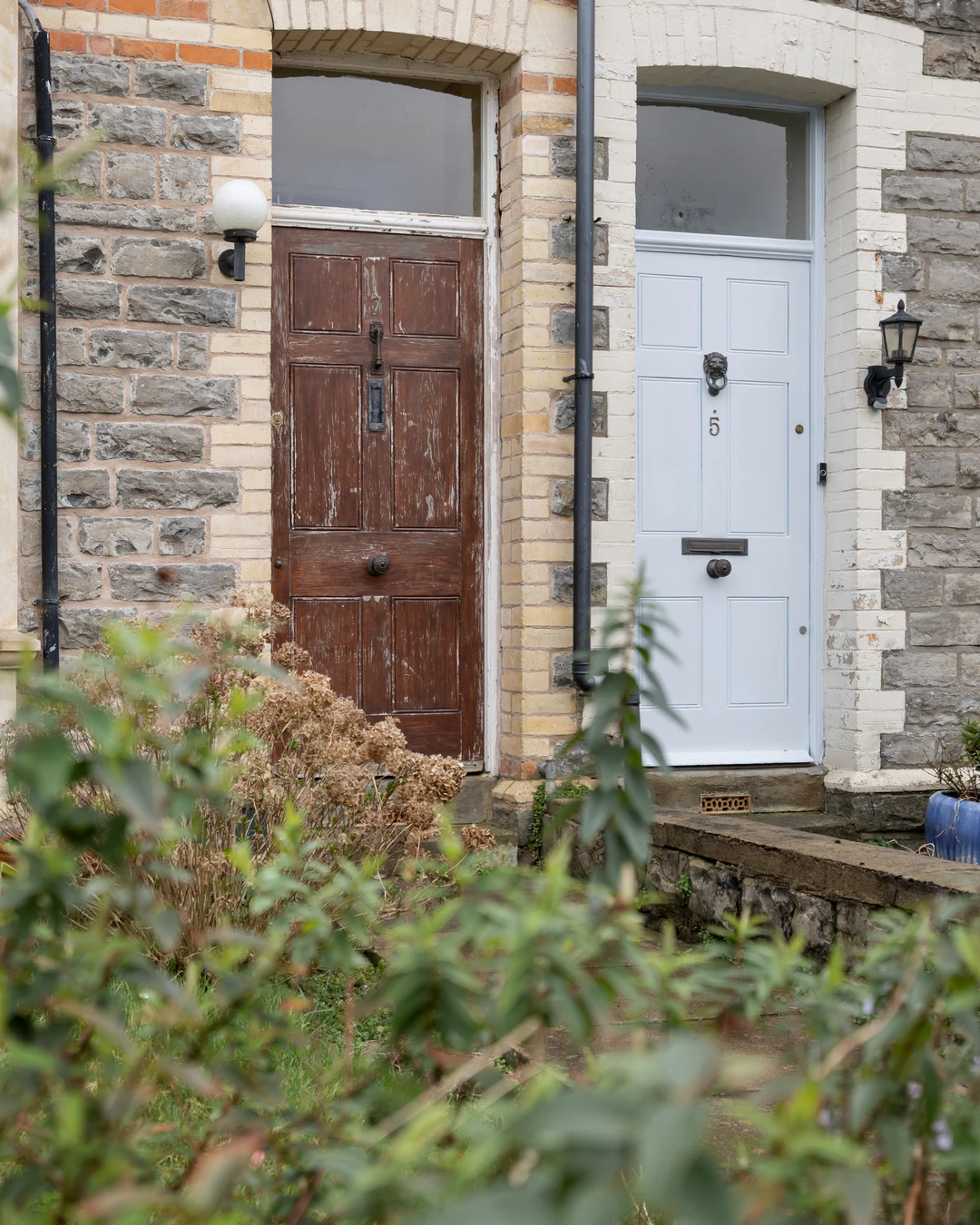
Wooden front door with stained glass panel and brass handle on a red brick Victorian property with stone surround

Original Features Worth Keeping

PERIOD DETAIL AND HOW WE PHOTOGRAPH IT

Plenty of local homes still have their tiled hallways, ceiling roses, cast-iron fireplaces and shuttered bay windows. These are the details buyers remember after a viewing, and they are the first things lost in a rushed set of photographs taken on a grey afternoon.

We shoot each home with the light in mind, and we write the description to match. If the return on the stairs holds a stained glass window, or the front room keeps its full ceiling height, the listing should show it clearly rather than bury it in a wide-angle shot.

The same care goes into the practical detail. Room sizes, floorplans and what has been altered over the years are all set out plainly, so buyers arrive already understanding the house.

Selling or Buying in Roath?

The best houses here are not the biggest, they are the ones where the original detail has been kept and the layout still works for how people live now. Our job is to make that obvious to the right buyer.

Whether you are buying or selling, we are here to help. Call us on 029 2002 8368 email hello@elliotandhill.co.uk, or complete the contact form below.

Featured Properties

Frequently Asked Questions

My Roath house is from the 1900s. Will buyers want a Level 3 survey?

Often, yes. Solid brick walls, original roof coverings, cellars and later extensions all add complexity, and many buyers on Victorian stock are advised to take the fuller inspection. Because we carry out Level 2 and Level 3 surveys ourselves, we can tell you at the valuation which one your buyer is likely to instruct and what it is likely to raise. If you are on the buying side and still deciding, our guide on whether you need a survey at all sets out the difference. 

It changes who buys more than what they pay. Parts of Roath have a high share of shared housing, and owner-occupiers do notice. The answer is presentation and targeting. A family home marketed clearly as a family home, with photography that shows the garden and the layout, attracts owner-occupiers rather than investors looking for a yield.

Some streets sit close to the brook, and a buyer’s solicitor will run a flood search either way. Natural Resources Wales has carried out flood defence work along the brook, and where that touches your street, it is far better to know before you list than to find out mid-conveyance. We will flag it at the valuation and tell you what to have ready, including any defence work done near your boundary. 

Method. Many agent appraisals are set to win the instruction, which is why some homes launch high and then get reduced twice. Ours is built the way a lender’s valuer builds one, from comparable sold evidence and the condition of the property. The aim is an asking price that survives the mortgage valuation.

Both, depending on their condition. A dry, ventilated cellar with a decent head height reads as storage or potential. One with a musty smell, salt staining or a failed tanking system reads as a bill. A survey-led view tells you which one you have and whether it is worth spending money on before you list.

It rarely stops a sale, but it can slow one down badly if it comes up late. Building regulation completion certificates, planning consents and any indemnity policy should be gathered before launch. We will tell you what is missing at the start, so your solicitor is not chasing it while a buyer waits.

Yes, and they need a different run-up. Lenders look at the years left on the lease, how the service charge is handled and whether the freeholder insures the whole building properly. In older conversions, that paperwork is often thin, and it only surfaces once a buyer’s solicitor starts asking. We gather the lease, the insurance schedule and any share of freehold details before the flat goes live, so a sale that would have stalled for six weeks runs to time instead.

Ready to present your home at its best?

request an appraisal today

Name
Please add anything you would like us to know about you or your property.

Homes as Art

presented with care, clarity and design